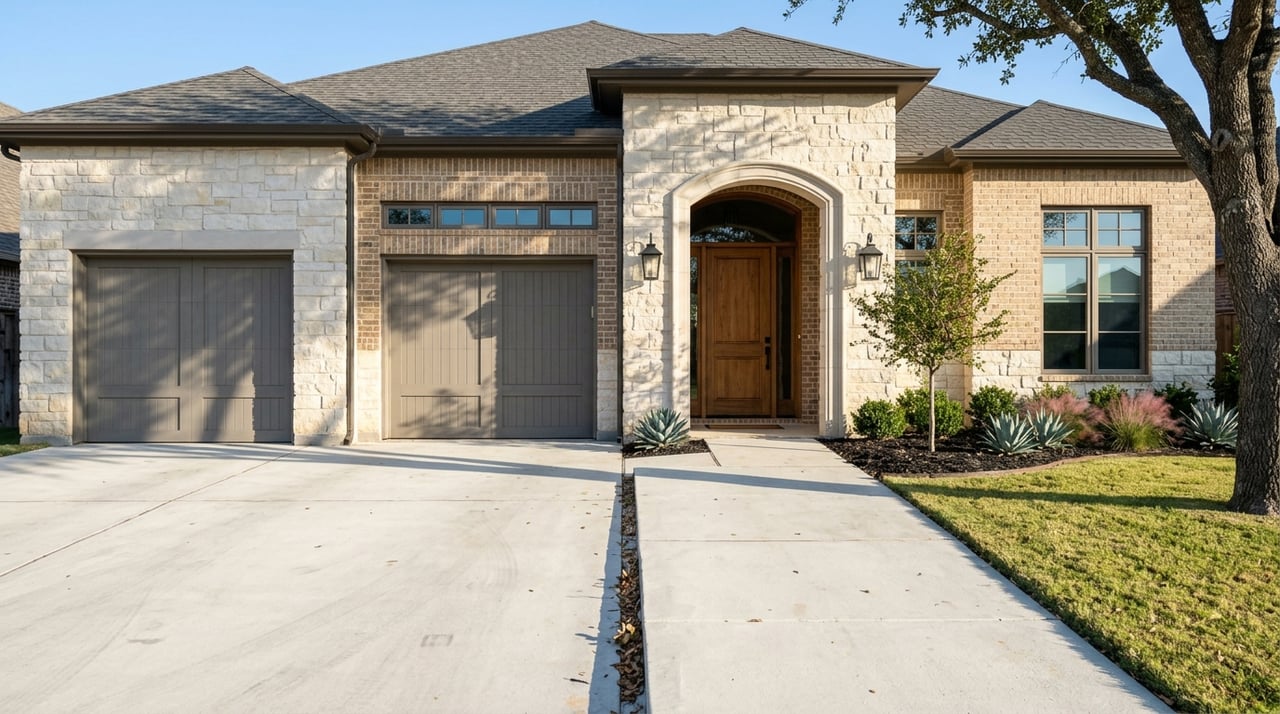
How Seasonal Trends Shape The San Antonio Home Selling Timeline
July 9, 2026
July 9, 2026
If you are thinking about selling in San Antonio, timing can shape how fast your home moves and how much competition you face. You do not need to hit one perfect day to have a strong sale, but local seasonal patterns can give you an edge. When you understand how spring demand, summer heat, school calendars, and fall inventory shifts affect the market, you can plan with more confidence. Let’s dive in.
San Antonio has a fairly consistent seasonal rhythm for home sales. Recent Zillow analyses found the city’s strongest listing window landed in the last two weeks of April in 2026 and the first half of May in 2025. Taken together, that points to a local sweet spot that usually falls between late April and early May.
That timing is a little earlier than the national pattern. Zillow’s national 2026 analysis placed the best listing window in the last two weeks of May, while San Antonio’s stronger period arrived a few weeks sooner. For sellers here, that is a useful reminder that local conditions matter more than a national headline.
Spring tends to bring the best mix of buyer activity and seller opportunity in the San Antonio area. Zillow reported that listing in San Antonio’s strongest 2026 window, the last two weeks of April, was associated with about a 1.6% boost, or roughly $4,500 on a typical home. In 2025, the city’s best period, the first half of May, was tied to about a 1.3% boost, or roughly $3,500.
The reason is practical. Buyer demand often peaks before Memorial Day because many households want to move during summer and get settled before the next school year begins. That pattern shows up locally, where school calendars in major districts such as SAISD and Northside ISD start in mid-August.
For many sellers, that means your ideal timeline starts well before your listing goes live. If you want to catch the late April to early May window, you usually need to begin prep several weeks earlier.
SABOR’s 2025 monthly reports show the spring ramp-up clearly. Metro sales increased from 2,811 in March to 3,029 in April, then rose again to 3,229 in May. New listings also climbed from 4,942 in March to 5,114 in April and 5,635 in May.
That tells you two important things. First, more buyers are active in spring. Second, more sellers are trying to take advantage of that same demand.
By May 2025, the market reported 72 days on market and 5.77 months of inventory. That suggests active but balanced conditions, not an extreme seller’s market where anything sells instantly.
San Antonio’s climate plays a real role in the selling experience. NOAA normals show average highs of 80.5°F in April, which is much more comfortable for showings than the average highs of 92.3°F in June, 94.6°F in July, and 96.0°F in August.
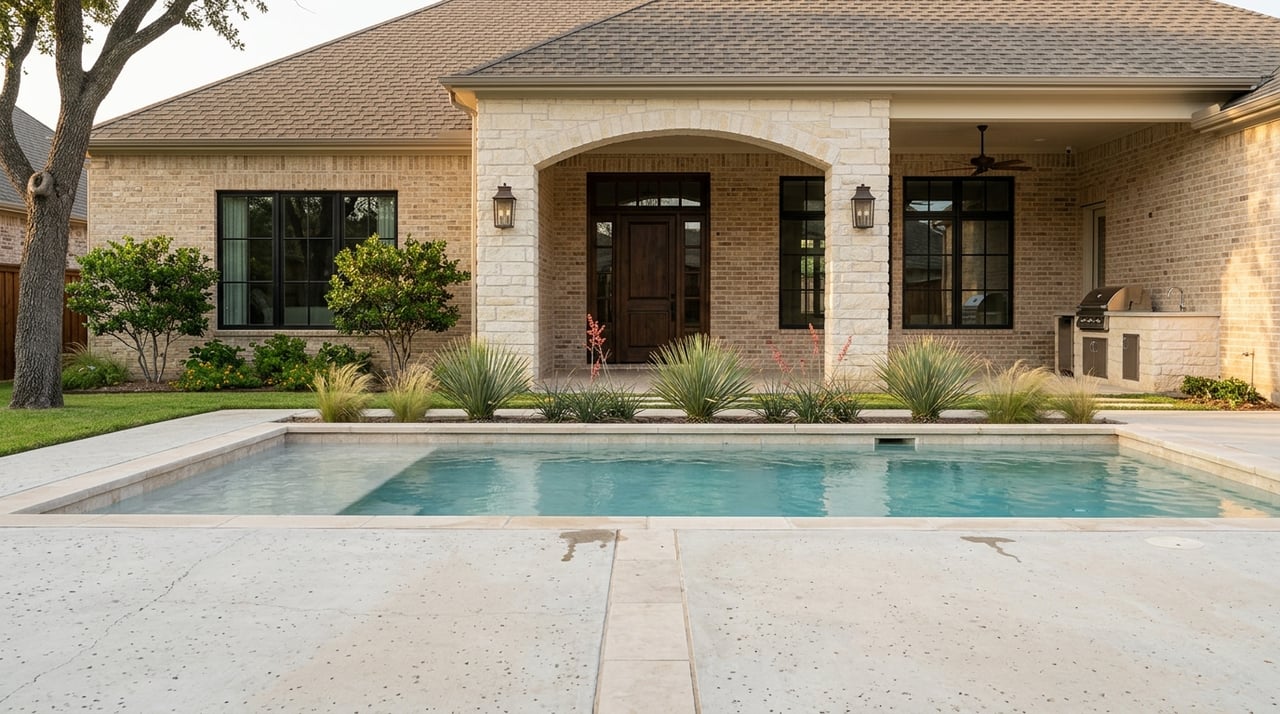
That matters more than many sellers expect. Comfortable weather can make home tours, open houses, and last-minute showings easier for everyone. It can also help your exterior spaces show better, especially if you have a patio, pool, yard, or outdoor kitchen that adds to your home’s appeal.
Rain is also part of the local story. NOAA data show average precipitation of 4.01 inches in May and 4.14 inches in June, which can affect curb appeal, yard maintenance, and open house planning. You cannot control the weather, but you can build flexibility into your schedule.
Summer is still a viable time to sell in San Antonio, but it often requires different expectations. The market remains active, yet the spring rush usually begins to soften. According to SABOR, July 2025 recorded 2,915 sales and 74 days on market.
That is not a dramatic slowdown, but it does suggest a shift. Buyers may still be shopping, though they may have more choices and a little less urgency than they had in late spring. At the same time, the summer heat can make showings less convenient and may reduce the number of casual weekend lookers.
If you are listing in summer, execution becomes even more important. Clean presentation, strong pricing, professional media, and easy showing access can help your home stand out when the market feels less compressed.
Fall can still produce successful sales, but sellers should plan for a longer runway. SABOR’s October 2025 report showed 2,639 sales, 83 days on market, and 6.04 months of inventory. In November 2025, sales dropped to 2,206 and days on market rose to 86, with 5.90 months of inventory.
In simple terms, fall often gives buyers more breathing room. More inventory and slower pace can mean more comparison shopping and more time before the right offer arrives. That does not mean you cannot sell well, but it does mean preparation and pricing discipline matter even more.
For move-up and higher-end homes in areas like Stone Oak, The Dominion, and Fair Oaks Ranch, a polished presentation can be especially important in these slower windows. When buyers have more options, professional photography, video storytelling, staging, and a smooth showing plan can help keep your home competitive.
Not necessarily. Winter is usually slower, but it is not inactive. SABOR reported 1,974 sales in January 2026 and 2,363 in February 2026, with 98 and 102 days on market, respectively.
December 2025 ended with 2,854 sales and 5.25 months of inventory, so the market did not shut down. Still, compared with late spring, winter usually brings fewer active buyers and a longer timeline.
Winter sellers often benefit from having serious motivation and less seasonal competition in some segments. But if your schedule is flexible, the data suggest spring is usually the stronger choice.
One of the most useful takeaways from the local data is that seasonality in San Antonio seems to affect competition and speed more than it changes prices dramatically. Across the months highlighted in SABOR’s reports, prices generally held steady or increased modestly even when the pace slowed.
That is good news if you cannot list in the spring. Missing the peak window does not automatically mean a weak outcome. It simply means your pricing, preparation, and marketing strategy may need to work harder.
If you want to aim for San Antonio’s strongest seasonal window, it helps to think backward from your target list date. Since late April to early May has been the clearest sweet spot in recent years, many sellers should start planning in late winter or early spring.
A practical timeline may look like this:
This kind of preparation can reduce stress and help you hit the market when buyer attention is strongest.
Seasonal trends are useful, but they are not the whole story. Zillow notes that mortgage rates and local market conditions can strengthen or soften the usual spring pattern. That means recent neighborhood-level comparable sales and current inventory should always guide the final decision.
This is especially important in a market as varied as San Antonio. A home in one area or price point may see stronger demand earlier or later than the broader metro trend. Seasonal averages are a planning tool, not a substitute for current local data.
If you have flexibility, being fully ready before late April or early May gives you the clearest shot at riding San Antonio’s strongest seasonal demand. If you need to list in summer, fall, or winter, you can still sell successfully, but you should expect a different pace and plan accordingly.
The biggest advantage often goes to sellers who prepare early, price carefully, and present their home well from day one. That is where a thoughtful, marketing-first approach can make a real difference, especially in a market where timing helps but does not do all the work for you.
If you are planning a move and want a timeline built around your home, your neighborhood, and your goals, Monique Cardenas can help you map out the right strategy.


Monique is here to guide you every step of the way. With care, clarity, and a focus on results, she’ll help make your next move easy and successful. Reach out today and let’s get started!

Frontline Properties
Office Address 23702 I-10 Ste. 105 San Antonio TX 78257 Brokerage Address 23702 Frontage Rd IH10 West Ste. 105 San Antonio TX 78257