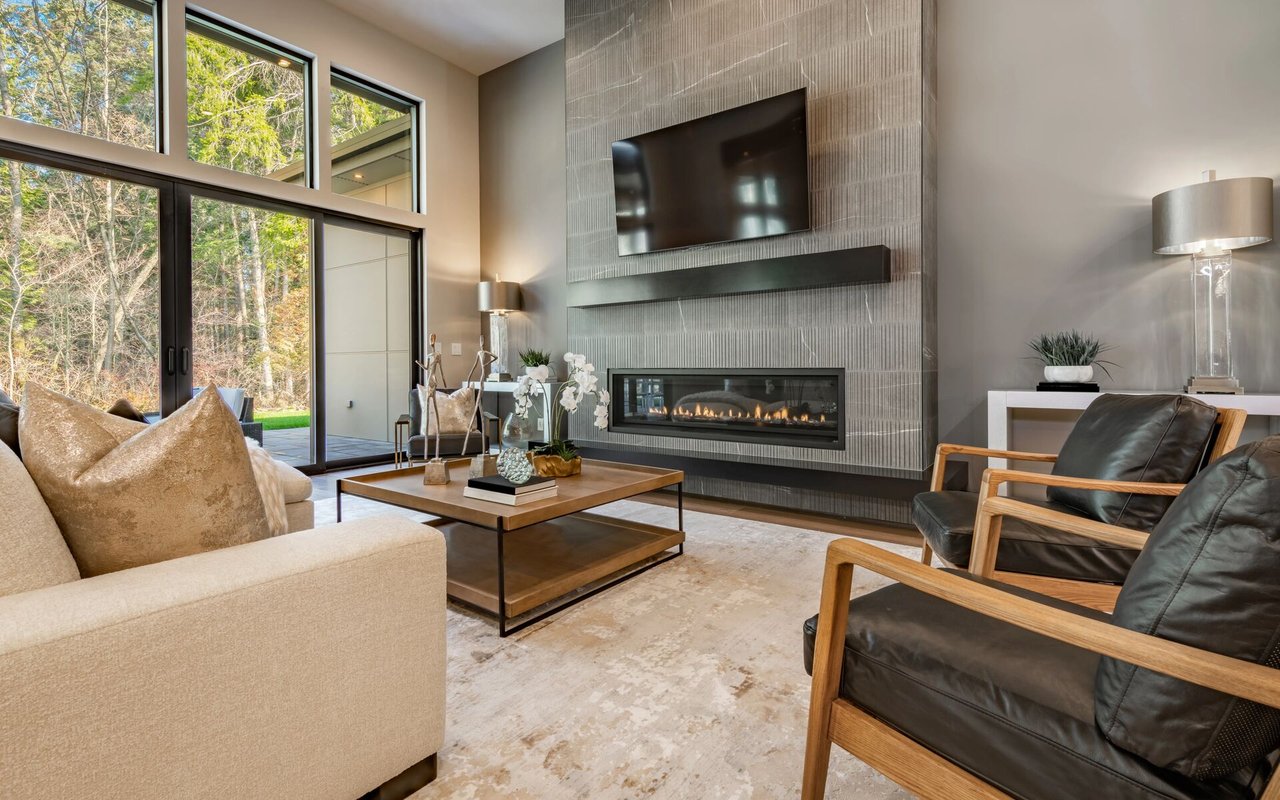
Living in Stone Oak: Amenities and HOA Basics
December 18, 2025
December 18, 2025
Is Stone Oak on your shortlist, but you want a clear picture of the amenities and how HOAs actually work here? You’re not alone. Many buyers love the area’s family-focused lifestyle, but they also want to understand the rules, fees, and daily routines that come with master-planned living. In this guide, you’ll learn what amenities are common, what gated enclaves feel like, how HOAs shape your ownership, and the smart steps to compare neighborhoods with confidence. Let’s dive in.
Stone Oak sits in north San Antonio within Bexar County and is known for suburban, master-planned neighborhoods designed for everyday convenience. You’ll see a mix of single-family subdivisions, gated enclaves, and shopping corridors that support busy family life. Many buyers choose Stone Oak for well-kept streets, access to local schools and services, and neighborhood pockets that encourage walking and play.
If you prefer extra privacy and a controlled entry, gated sections are common and often feature higher-priced homes. These enclaves usually run under different HOA rules and budgets than non-gated sections, so it pays to compare them side by side.
Many Stone Oak neighborhoods offer limited-entry gates, card or fob access, and in some cases staffed entries. Roads and common elements inside gates are typically maintained by the HOA. The tradeoff is higher dues, tighter architectural standards, and visitor protocols that shape daily flow.
Pocket parks, tot lots, and landscaped green space are common across subdivisions. Walking and bike trails often weave through communities, with shade trees and greenbelts that make quick outings easy. If play space is a priority, check how close parks sit to the homes you’re considering and whether trails connect to larger green areas.
Many master-planned sections provide community pools, splash pads, sport courts, and event rooms. Rules for access vary by HOA, and some allow guest use under set policies and fees. Ask about reservation procedures and seasonal staffing so you know how you’ll use the space.
You’ll find private country clubs nearby and access to public or semiprivate golf in the north San Antonio area. Club membership usually carries its own initiation fees and ongoing dues that are separate from any HOA. Confirm whether a neighborhood requires a club assessment or simply promotes optional access.
Stone Oak clusters grocery, dining, healthcare, and family services around main corridors, which simplifies errands. School access is a common factor for buyers, and attendance zones vary by address. Verify school assignments through the local district website before you make an offer.
HOAs often handle entry landscaping, medians, and common-area upkeep, which supports a clean, cohesive look. Private yard standards and exterior guidelines help maintain curb appeal across the neighborhood. Ask about mowing, watering, and landscape rules so you know your responsibilities.
You may encounter a standard subdivision HOA that covers small common areas. Some sections also belong to a master association that manages big-ticket amenities like pools, parks, and gates. Gated communities often run their own budgets and rules, and any separate country-club association runs on its own bylaws and dues.
Most HOAs regulate exterior paint, fences, additions, and front-yard maintenance. Parking and storage limits can affect RVs, boats, and curbside parking. Expect policies on pets, leasing or short-term rentals, amenities, guest access, and signs or seasonal displays in line with state and federal law.
Dues can be annual, quarterly, or monthly based on the community. Typical coverage includes common-area landscaping, gate or security costs, pool maintenance, insurance for shared spaces, management fees, and reserves for future repairs. Separate charges may include transfer fees, initiation fees in certain communities, special assessments, or separate club dues.
An elected board runs the HOA according to its governing documents. Many communities hire a professional management company, while others are volunteer-led. Texas property law sets standards for notices, meetings, and certain disclosures, so you should receive defined information during a purchase.
Review reserve levels and whether a recent reserve study exists. Scan the annual budget, look for surplus or deficit patterns, and check the history of special assessments. Ask about delinquency rates and any active litigation that could impact future dues.
HOAs usually enforce rules through notices and fines, with steps for hearings and appeals outlined in the documents. Some matters go to mediation or legal action if they escalate. Consistent, fair enforcement typically supports stability and fewer surprises.
Visit at different times to understand gate traffic, noise, and amenity use. Look closely at pool condition, signage, entry landscaping, and street maintenance. If you can, talk to residents about rule enforcement, assessments, and overall satisfaction.
Stricter standards and well-funded reserves support tidy streets and predictable curb appeal, but they can limit flexibility for exterior changes or rentals. Gated or club-oriented communities offer privacy and amenities, yet they usually come with higher dues and possible initiation fees. Compare amenity lists and fee schedules across similar neighborhoods so you make a fair, apples-to-apples decision.
Property taxes are handled by Bexar County and are separate from HOA dues, which follow their own schedule. Check the City of San Antonio’s service boundaries for water, sewer, and public safety; emergency access policies at gated entries should be confirmed with the HOA. Golf and country-club membership is typically separate from the HOA, and costs can be significant, so confirm whether any fees are optional or required.
Living in Stone Oak can deliver the blend of convenience, privacy, and community you want, especially when you understand how amenities and HOAs affect daily life and long-term costs. If you prioritize gated access, pools, and parks, you’ll find plenty of choices, each with its own rules and fee structures. With the right documents and questions, you can select a neighborhood that fits your lifestyle and budget.
Ready to compare neighborhoods or request documents for a home you love? Reach out to Monique Cardenas for local guidance, smart due diligence, and concierge-level support. Get a Free Home Valuation.





Monique is here to guide you every step of the way. With care, clarity, and a focus on results, she’ll help make your next move easy and successful. Reach out today and let’s get started!

Frontline Properties
Office Address 23702 I-10 Ste. 105 San Antonio TX 78257 Brokerage Address 23702 Frontage Rd IH10 West Ste. 105 San Antonio TX 78257