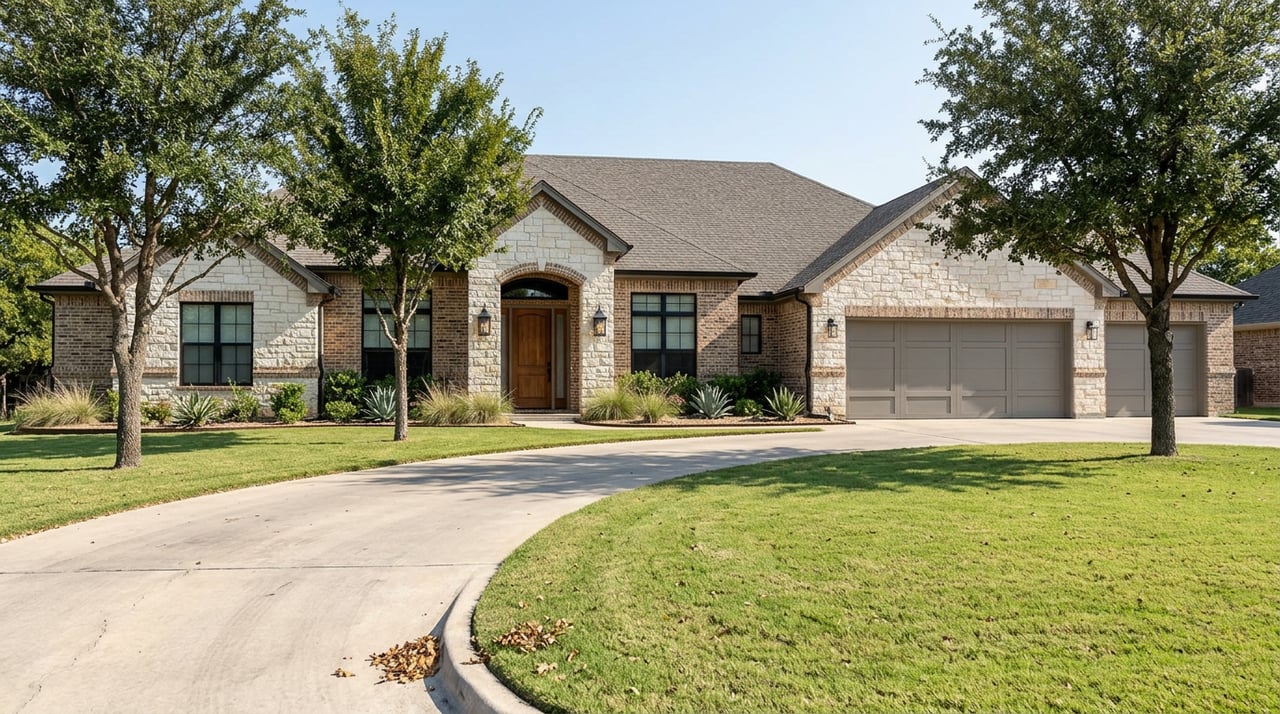
Helotes Acreage Homes And Ranch-Style Living Guide
March 24, 2026
March 24, 2026
Dreaming about more elbow room, starry nights, and a quick drive to San Antonio? If acreage living is calling your name, Helotes offers a rare blend of Hill Country feel with city convenience. Buying land or a ranch‑style home comes with unique choices about utilities, permits, taxes and maintenance. In this guide, you’ll learn how Helotes acreage works, what to verify before you write an offer, and how to plan a smooth path to closing. Let’s dive in.
Helotes sits on the far northwestern side of the San Antonio metro with a mix of small‑acreage residential lots, larger ranch tracts and planned subdivisions. Many buyers choose it for a semi‑rural lifestyle with an easy commute into town. Typical parcel sizes range from roughly 1 to 1.5 acres near subdivisions, 3 to 10 acres for small ranches, and 10 to 20 plus acres in more rural pockets.
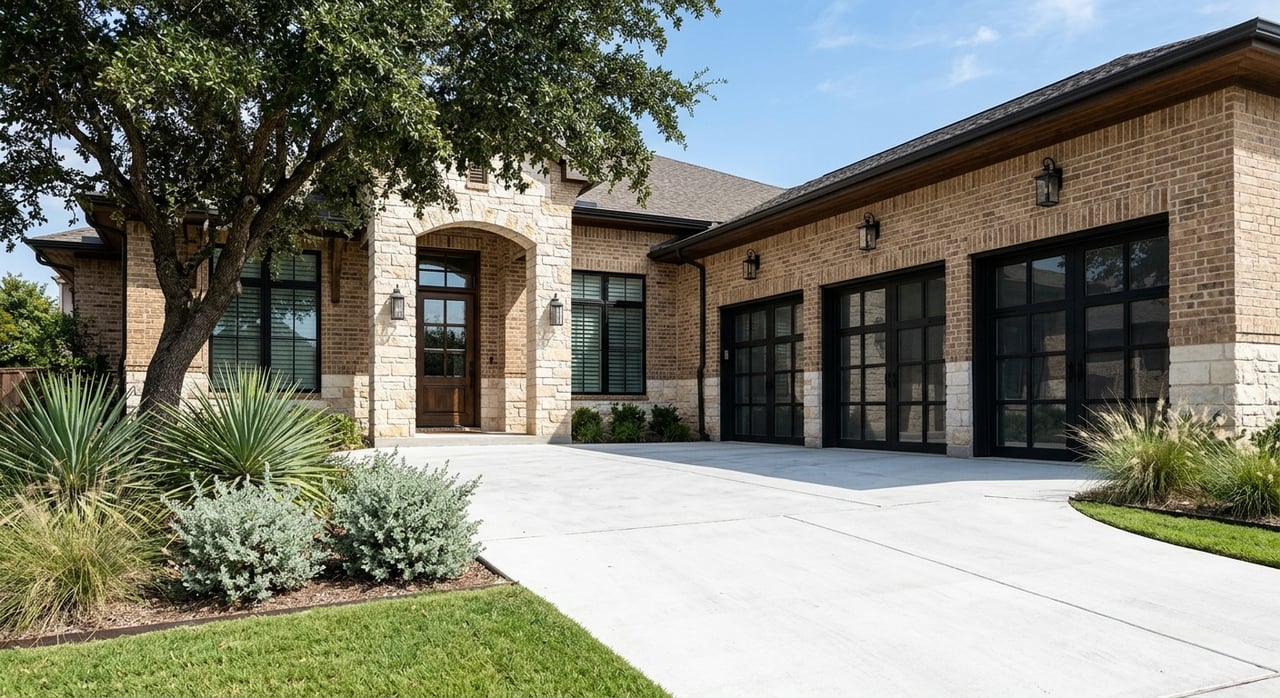
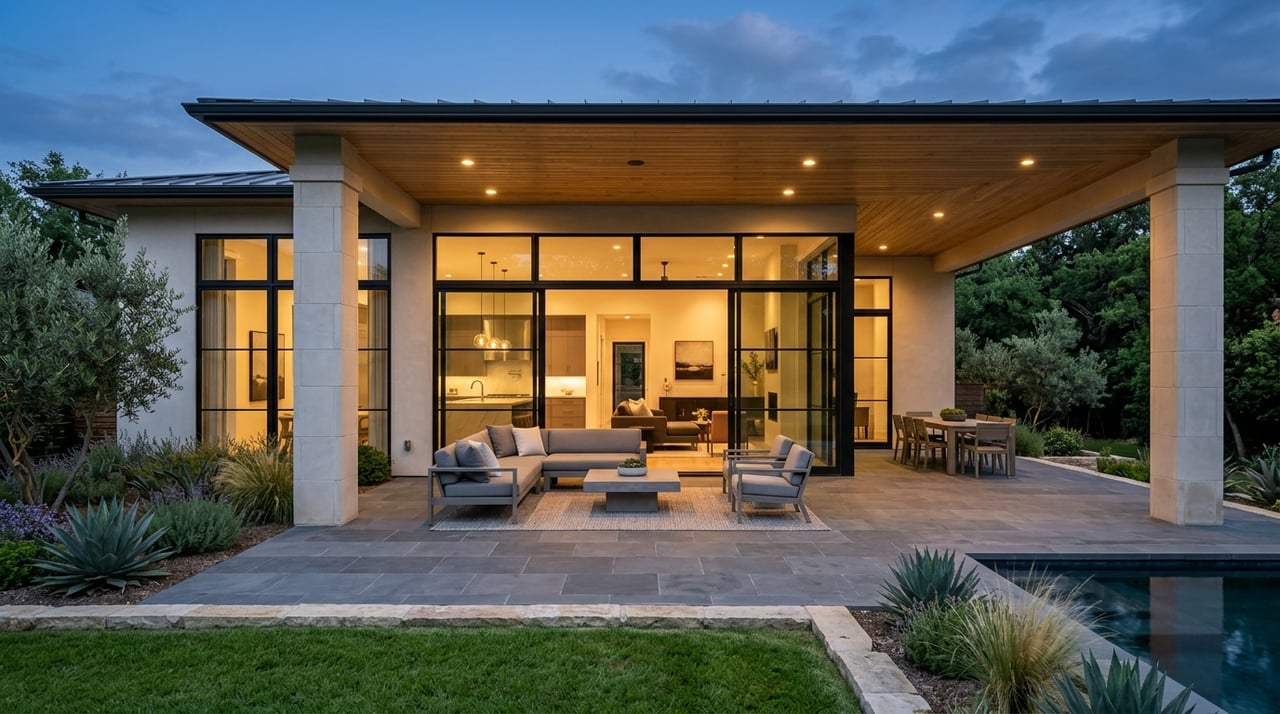
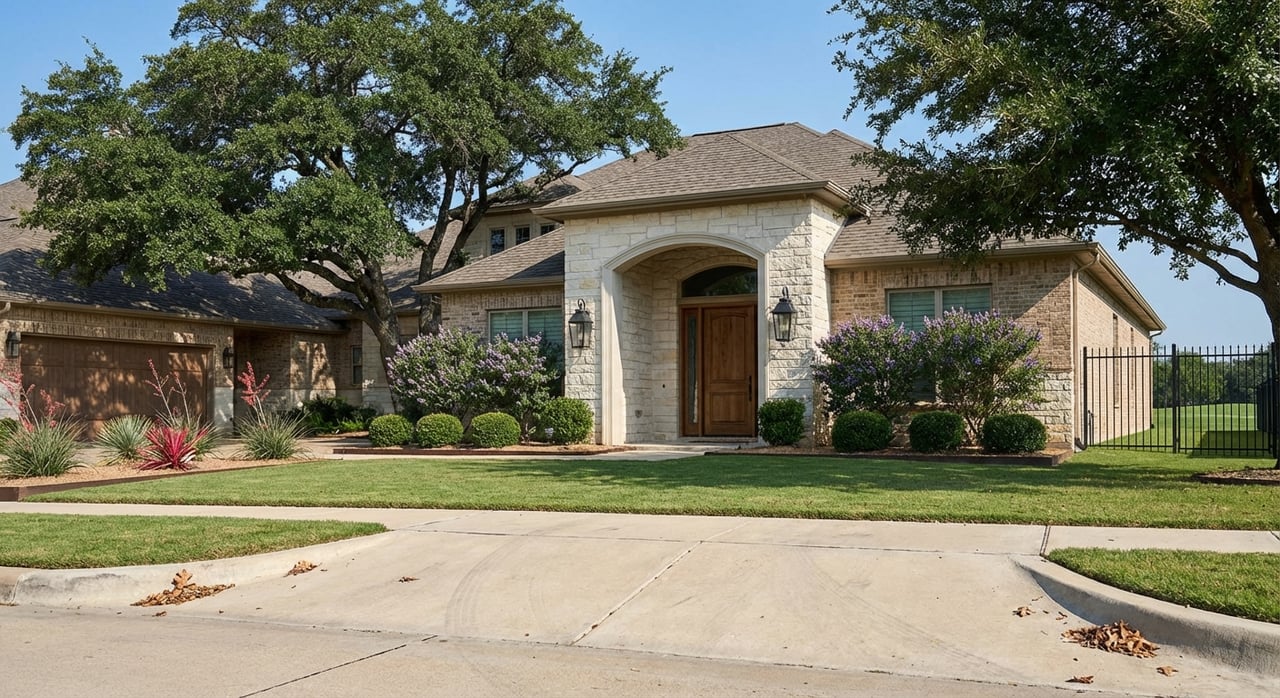
Ranch‑style, single‑story homes are common. You will often see open floor plans, large covered porches, detached workshops or barns, and either metal or composition roofs. Utilities can vary by location, so plan to confirm details for each property during due diligence.
These site traits affect driveway design, excavation, foundation plans, and septic siting, so bring them into your planning early.
Buying acreage means utility details matter as much as the house. Start with water, sewer, and power, then confirm telecom and road access.
Portions of Helotes are served by SAWS, the regional municipal supplier. Service boundaries vary by address, so confirm whether a parcel falls inside the SAWS certificated area. Regional planning documents identify SAWS as a key provider in this corridor. You can review service context in the Region L water plan from the Texas Water Development Board.
Many acreage homes rely on private wells. Texas agencies emphasize that private wells are the owner’s responsibility to test and maintain. Before closing, obtain the well driller’s report and order a certified water‑quality test at minimum for coliform or E. coli and nitrates. Learn more from the TCEQ well owner guidance.
Septic systems are common on Helotes acreage. Bexar County requires permits for On‑Site Sewage Facilities, and existing systems must be registered. If a property lies in or near the Edwards Aquifer recharge or contributing zone, expect additional engineering and documentation. Ask for the OSSF permit or License‑to‑Operate and the last pump manifest during option period. Details are available at Bexar County’s OSSF program.
Electric service is typically through CPS Energy. Gas service may be available through CPS Energy or other franchise providers such as Grey Forest Utilities in some areas. Extension costs for long service runs are utility‑specific and parcel‑specific, so request written estimates from the provider. The City’s utility page lists local contacts for electric, gas and telecom, including AT&T and Spectrum. Start your research at the City of Helotes utilities page.
Rules change across city limits and unincorporated county areas. Confirm your parcel’s location and governing authority before you plan improvements or livestock.
Inside city limits, Helotes zoning and development standards apply. Outside the city in unincorporated Bexar County, traditional zoning may not apply, but county permits and environmental rules still do. Use the City’s Development Services maps to check city limits, ETJ, zoning and floodplain overlays. Start with the City of Helotes development maps.
Many acreage homes rely on private driveways that connect to public roads. County right‑of‑way or driveway permits are required for new connections, and larger site disturbances may need stormwater or site development permits. Review the county’s general permit process to understand typical triggers and steps. See the Bexar County permit overview.
Small ranch subdivisions like Valentine Ranch, Helotes Ranch Acres and Helotes Creek Ranch often have deed restrictions or POA rules that govern building envelopes, accessory structures, animals and road maintenance. Request recorded restrictions, plats and POA documents during your option period. Rules vary by parcel, so never assume.
Site sensitivity shapes what you can build, where you can place a septic system, and how you maintain the land.
Helotes and the Helotes Creek corridor lie near the Edwards Aquifer’s recharge and contributing zones. These areas are hydrologically sensitive. Expect more stringent wastewater review, potential engineered septic designs and added controls on land disturbance. Review background materials and mapping resources from the Edwards Aquifer Authority, then confirm the exact parcel location with official maps.
Creek corridors such as Helotes Creek and Leon Creek tributaries can include mapped floodplains. If a parcel touches FEMA floodplain or a city‑mapped flood corridor, factor in building restrictions and flood insurance. You can view local map layers through City of Helotes development maps.
Hill Country vegetation can raise wildfire considerations for rural homes. The City’s Community Wildfire Protection Plan outlines brush management, access and home‑hardening strategies that reduce risk. Ask your insurer about mitigation requirements or discounts and use city guidelines to plan your defensible space. Read the Helotes CWPP recommendations.
Plan your annual costs and loan options ahead of time. Acreage can qualify for special land valuations, and loan requirements may differ from typical suburban homes.
Your total property tax bill is the sum of all taxing entities that apply to a given parcel. The City of Helotes publishes its adopted city rate and the school district for most Helotes addresses is Northside ISD. For FY2026, the adopted City of Helotes portion is $0.310000 per $100 of value. You can verify the city rate in the City of Helotes budget and confirm the full combined rate for a specific parcel with the appraisal district.
Texas allows special appraisal for qualifying agricultural, open‑space or wildlife‑management uses. These programs reduce the taxable value of the land, not the house. They require a history of qualifying use and can trigger rollback taxes if the use changes. Before you buy, ask whether the parcel has a current valuation, request documentation, and understand your obligations to keep it. See the Texas Comptroller’s guidance.
Conventional, FHA, VA and USDA loans can be used for rural and acreage properties, but underwriting varies by lender and program. Lenders often require proof that well water is potable and the septic system is permitted and functioning. Ask your loan officer for a checklist early so inspections and lab tests are completed during the option period.
Use this list to organize your option period and keep surprises off the closing table.
Septic systems require regular pumping and, for some aerobic units, a maintenance contract with annual reporting. Ask for the last service date and keep all records with your home file. See program expectations at Bexar County OSSF.
Private wells benefit from periodic water‑quality testing, especially after heavy rains or flooding. You may need softening or filtration depending on results. The TCEQ well owner guidance provides practical steps for testing and maintenance.
Roads, gates and fences are recurring line items. Budget for grading on long gravel drives, gate automation or repair, and fence upkeep if you plan to keep animals. For outbuildings, check that electrical service and septic sizing match your home’s bedroom count and use.
Acreage or ranch‑style living in Helotes can be a great fit if you confirm utilities, map environmental factors and collect the right permits and records. A local guide can help you sequence inspections and keep your timeline on track. If you are sizing up your options or ready to walk a property, connect with Monique Cardenas for a friendly, detailed plan tailored to your goals.

Monique is here to guide you every step of the way. With care, clarity, and a focus on results, she’ll help make your next move easy and successful. Reach out today and let’s get started!

Frontline Properties
Office Address 23702 I-10 Ste. 105 San Antonio TX 78257 Brokerage Address 23702 Frontage Rd IH10 West Ste. 105 San Antonio TX 78257