Pricing Strategy For Selling Your Helotes Home
May 14, 2026
May 14, 2026
Wondering why some Helotes homes get early showings and solid offers while others sit for weeks? If you are getting ready to sell, pricing is one of the biggest decisions you will make, and in a market with more buyer choice, it matters even more. The good news is that a smart pricing strategy is not guesswork. It is a local, evidence-based process that can help you protect your value, attract serious buyers, and avoid costly price cuts later. Let’s dive in.
Helotes is a smaller market, which means pricing calls need to be precise. The city estimates a population of 10,223 as of July 1, 2024, so the pool of truly comparable sales can be limited. When there are fewer strong comps, small pricing mistakes can have a bigger impact.
Current market data also points to a slower pace than a hot seller’s market. March 2026 reports from major housing data sources place Helotes around the high-$400,000s, with median sale or list prices ranging from about $480,000 to $499,000. Days on market also vary by source, but each report suggests homes are taking longer to sell than they would in a fast-moving market.
That slower pace gives buyers more room to compare options. In the broader San Antonio market, active inventory rose year over year, and nearly 23% of active listings had a price reduction in March 2026. In a market like this, overpricing can hurt your momentum right out of the gate.
The first step in pricing your home is building the right comparison set. That sounds simple, but in Helotes, it can be more nuanced than many sellers expect. The City of Helotes notes that a Helotes mailing address does not automatically mean a property is inside Helotes city limits.
That matters because buyers and appraisers look for relevant comparisons, not just similar mailing addresses. A home in Helotes city limits may compete differently than a property in unincorporated Bexar County or San Antonio, even if both use a Helotes address. A strong pricing strategy starts with your property’s actual jurisdiction and then narrows to the most similar nearby sales.
A good comp set should include homes that are as close to yours as possible in:
According to the research, recent sold comps should lead the conversation. Active listings matter too because they show what your home will compete against right now. Pending or under-contract homes can also help show where buyers are responding.
It is tempting to focus on the highest recent sale in your area and use that as the benchmark. But a pricing strategy should reflect both the past and the present. If inventory is higher and homes are taking longer to sell, your list price needs to match current buyer behavior.
That is especially relevant in Helotes right now. Across local sources, the pattern is consistent: prices are hovering in a similar range, homes are not flying off the market, and buyers have options. Realtor.com also reported a 97% sale-to-list ratio in Helotes, which suggests many homes are selling below asking price rather than far above it.
This is why pricing is really a market-positioning decision. You are not just naming a number. You are deciding how your home will stack up against every other listing a buyer sees that week.
Your ideal pricing strategy depends in part on your timeline and priorities. If your goal is to sell faster, a more competitive list price may help you stand out early and generate better traffic. If you have more flexibility, you may choose to test the market at a slightly higher number, but that price should still be grounded in local evidence.
The key is to be honest about your goals from the start. Do you want to maximize early attention? Do you need to move on a set timeline? Are you trying to balance sale price with convenience and fewer days on market? Clear goals make better pricing decisions possible.
One of the biggest pricing mistakes is treating your home like a fully updated property when buyers will clearly see needed work. In Texas, sellers of previously occupied single-family homes are required to use the TREC Seller’s Disclosure Notice. TREC states that this form reflects the seller’s knowledge of the property’s condition, and it is not a substitute for inspections or warranties.
That disclosure can shape what buyers are willing to pay. The Texas Real Estate Research Center notes that disclosures may lead to price renegotiation or repair discussions after a buyer reviews the notice. Texas law also requires known material defects to be disclosed, even if a specific issue is not listed on the form.
For sellers, the lesson is simple: deferred maintenance usually needs to show up somewhere in the strategy. That may mean adjusting the asking price, making repairs before listing, or planning for concessions during negotiations. Ignoring condition rarely makes it disappear.
When you price your home, condition adjustments should be based on real-world costs. If your roof, HVAC, flooring, paint, or other visible items are likely to come up during showings or inspections, buyers will factor that into their offers. Appraisers and lenders may also influence how much flexibility a buyer has.
A realistic strategy weighs the cost of repairs against the likely return. Some updates improve presentation and help justify a stronger asking price. Others may be better handled through a price adjustment or a seller concession.
This is where white-glove prep can make a real difference. For sellers who want a smoother process, coordinated staging, vendor support, and a clear pre-list plan can help align your home’s condition, presentation, and pricing before it hits the market.
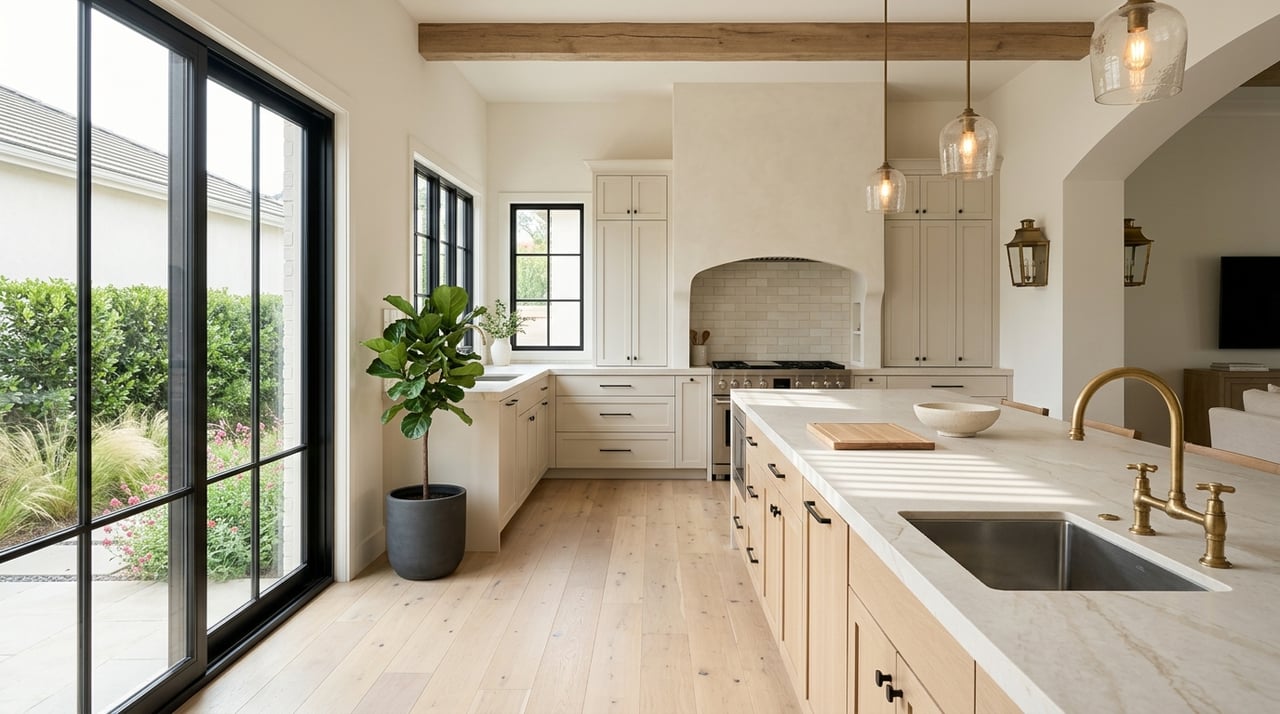
Pricing and presentation work together. Even a well-priced home can lose momentum if it looks tired online or feels cluttered in person. On the other hand, a clean, well-prepared home often gives buyers more confidence in the value they are seeing.
National Association of Realtors research found that 83% of buyers’ agents said staging makes it easier for buyers to visualize a property as their future home. The same research found that staging can increase offered value and may reduce time on market. NAR also notes that staging is more about decluttering and styling than full remodeling.
That matters in Helotes because buyers have enough inventory to be selective. Strong listing photos, thoughtful staging, and polished marketing can help support your price by making your home feel move-in ready and competitive from day one.
One of the most expensive mistakes sellers make is pricing high with plans to reduce later. It may seem safer to leave room to negotiate, but in a slower market, that strategy can backfire. Buyers often watch new listings closely, and the first days on market are usually when a home gets the most attention.
If your home launches above what local evidence supports, you may miss the buyers who would have booked a showing at the right price. Once a listing sits, buyers may start wondering what is wrong with it, even when the issue is simply price. In a market where price reductions are already common, it is often better to enter at a believable number than to test too high and adjust later.
The best offer is not always the highest number on paper. A supportable list price helps attract offers that are more likely to survive inspection, appraisal, and financing. Fannie Mae notes that contingencies and appraisal risk can affect whether a sale actually closes.
This is important in a market where buyers can compare several homes. If your property is priced above what the market supports, a buyer may hesitate, ask for more concessions, or walk away if the appraisal comes in low. A strong pricing strategy helps you attract serious buyers with expectations that match market reality.
If you are preparing to sell in Helotes, a smart pricing process often looks like this:
This kind of disciplined approach gives you a pricing strategy that is both competitive and defensible. It helps you enter the market with a number buyers can trust, while still protecting your position as a seller.
Helotes pricing is not something you want to handle with broad averages alone. Because the market is smaller, the comps can be thinner, and mailing addresses do not always match city limits, local context matters. The right strategy comes from looking closely at your specific home, your competition, and current buyer behavior.
That is where a boutique, hands-on approach can help. When your pricing plan is paired with staging support, professional photography and video, and a coordinated launch strategy, you are in a better position to stand out and avoid unnecessary days on market.
If you are thinking about selling your home in Helotes, the right price is not the highest number you hope for. It is the number the market can support, the one that attracts attention early, and the one that gives you the best chance at a smooth, successful sale. If you want a personalized strategy built around your home, your timing, and your goals, reach out to Monique Cardenas.
Monique is here to guide you every step of the way. With care, clarity, and a focus on results, she’ll help make your next move easy and successful. Reach out today and let’s get started!
Frontline Properties
Office Address 23702 I-10 Ste. 105 San Antonio TX 78257 Brokerage Address 23702 Frontage Rd IH10 West Ste. 105 San Antonio TX 78257